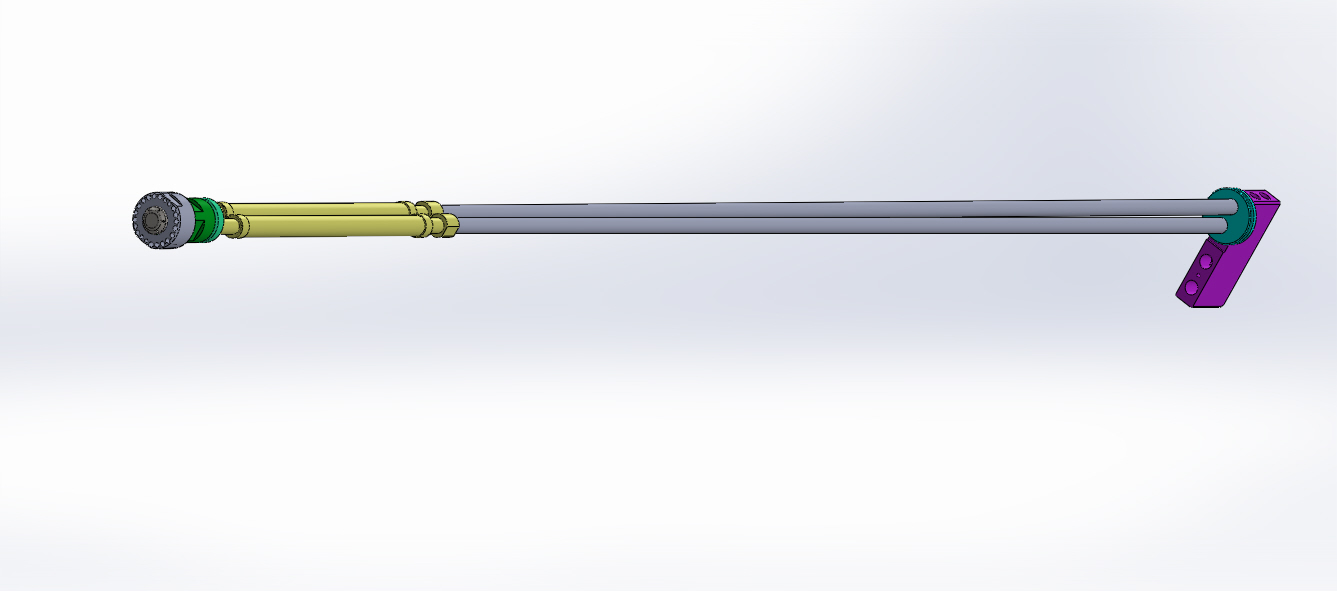
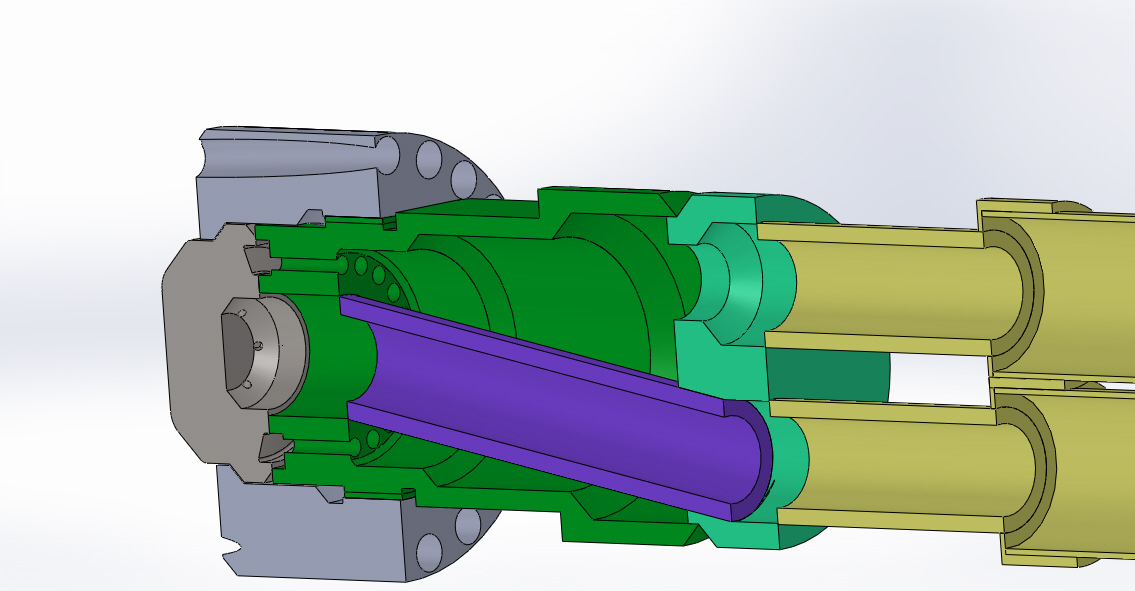
AIR COOLED OIL GUN
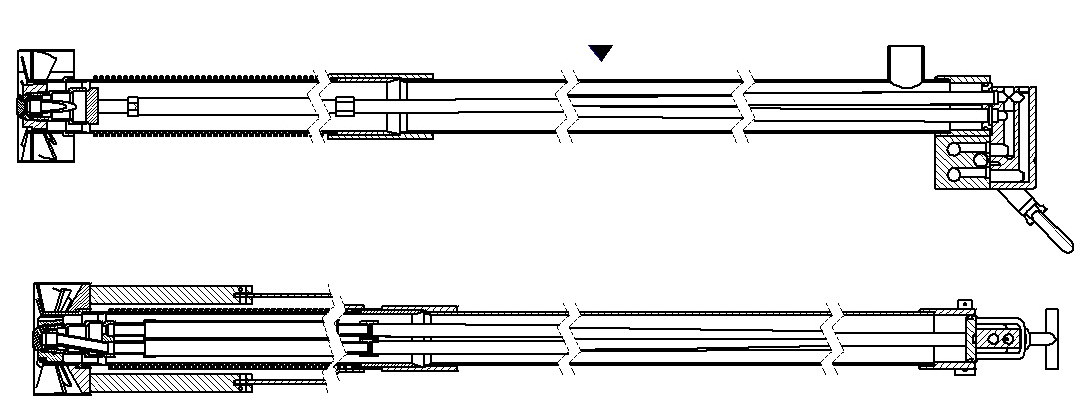
AIR COOLED OIL GUN
Air-cooled oil guns are developed to replace the high maintenance cost and cumbersome retract mechanism.
PRINCIPLE
The air-cooled oil gun is cooled by a low-pressure stream of air passing through a specially designed gun cap with a finned surface.
The low-pressure air passing around the atomizer shields and reduces the furnace radiation falling on the atomizer parts by extracting heat through the finned surfaces.
COOLING AIR REQUIREMENT
Standard Capacity Guns 2 – 2.5 sm3/min of ambient air at 50 – 60mm WC above furnace pressure
High Capacity Guns 4 – 4.5 sm3/min of ambient air at 80 – 100 mm WC. above furnace pressure
POTENTIAL BENEFITS
- Air-cooled oil gun tips are subjected to lower temperatures than retractable oil gun tips. Oil guns remain cool and component life is increased.
- Minimizes the congestion at burner elevation. Increases accessibility to the burner front area.
- Reduces the maintenance.
- Eliminates the number of working components / complicated retract mechanism.
- More economical than steam or compressed air cooling as the power requirements for low-pressure cooling air is minimal.
- Increase in the life of the tip.
- Can be retrofitted with old boilers easily without any major modification.
- Eliminates “gun advanced” and “gun retracted” limit switches.
- Simplifies control system.
POTENTIAL BENEFITS
- Air-cooled oil gun tips are subjected to lower temperatures than retractable oil gun tips. Oil guns remain cool and component life is increased.
- Minimizes the congestion at burner elevation. Increases accessibility to the burner front area.
- Reduces the maintenance.
- Eliminates the number of working components / complicated retract mechanism.
- More economical than steam or compressed air cooling as the power requirements for low-pressure cooling air is minimal.
- Increase in the life of the tip.
- Can be retrofitted with old boilers easily without any major modification.
- Eliminates “gun advanced” and “gun retracted” limit switches.
- Simplifies control system.